Commercial Flat Roof Repair in Leander, TX
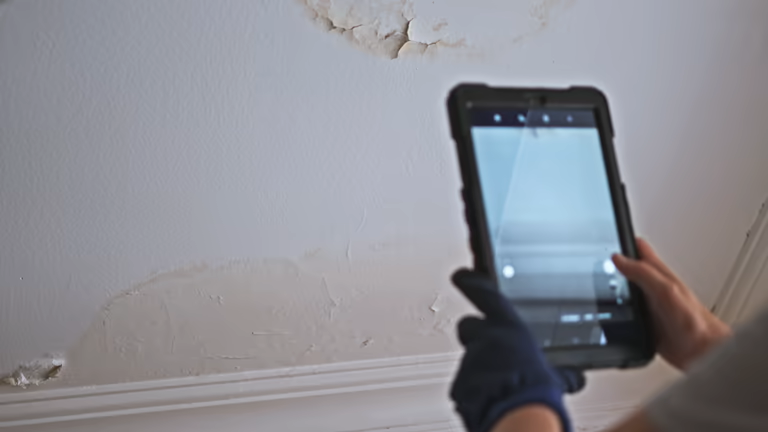
Have you ever walked into your office on a rainy Monday and seen a yellow stain on the ceiling? Or maybe you heard the steady drip of water into a bucket in the warehouse? We know how stressful that can be. In a fast-growing city like Leander, TX, your building is a huge part of your success. When the roof fails, it does more than just leak water. It puts your inventory, your electronics, and your team at risk.
We understand that roofing is not something most business owners think about every day. But here in Central Texas, our weather is tough. We deal with blazing sun in July and sudden hailstorms in the spring. These changes make commercial flat roof repair in Leander, TX a top priority for local companies. Let’s talk about how to spot trouble early and what your best options are for fixing it.
Why Flat Roofs are Different
Most homes have sloped roofs that let gravity do the work. Water just rolls off. But on a commercial building, the roof is almost flat. While we call them “flat,” they actually have a very slight tilt. This tilt helps water move toward the drains. If this system fails, water can sit on your roof for days.
Did you know that “ponding water” is one of the biggest enemies of your building? If water stays on a flat surface for more than 48 hours, it can start to eat away at the materials. This leads to leaks that can hide inside your walls for weeks before you even see them. Isn’t it better to catch a small problem now than to pay for a full replacement later?
Common Flat Roof Materials in Leander
We see a few main types of roofing in our area. Each one has its own strengths and needs different kinds of care.
- TPO (Thermoplastic Polyolefin): This is a white, rubber-like sheet. It is very popular in Texas because it reflects the sun. This helps keep your cooling bills lower during those 100-degree days.
- Modified Bitumen: This is a tougher, multi-layer system. It is often called a “torch-down” roof because workers use heat to seal the seams. It is great for roofs that people have to walk on often.
- EPDM: This is a black synthetic rubber. It is very durable but can get very hot in the Texas sun unless it has a special coating.
- Built-Up Roofing (BUR): You might know this as “tar and gravel.” It is an old-school method that uses layers of felt and hot asphalt.
The Real Cost of Waiting
We often talk to business owners who want to wait “just one more season” to fix a leak. However, the data shows this can be a costly mistake. According to a 2026 industry report by Maximize Market Research, the commercial roofing market is growing because of the high demand for energy-efficient repairs. Fixing a leak early can save you up to 50% compared to the cost of replacing damaged insulation and interior drywall later.
| Service Type | Average Cost in Central TX | Expected Lifespan |
| Patching a Leak | $400 – $1,200 | 1-3 Years (Temporary) |
| Roof Coating | $3.50 – $6.50 per sq. ft. | 10-15 Years |
| TPO Overlay | $6.00 – $9.00 per sq. ft. | 20+ Years |
| Full Tear-off | $10.00 – $16.00 per sq. ft. | 25+ Years |
Export to Sheets
Note: These prices can change based on the height of your building and local material costs.
How to Spot Problems Yourself
We don’t want you to wait for a puddle on the floor. You can do a quick check of your roof from the ground or a safe ladder. Look for these “red flags”:
- Bubbles or Blisters: These look like air pockets under the surface. They mean moisture is trapped inside.
- Separated Seams: Check the edges where the sheets of roofing meet. If they are peeling up, wind and rain can get underneath.
- Cracked Flashing: This is the metal trim around vents and chimneys. If it is rusted or loose, water will find a way in.
- Clogged Drains: If you see plants growing on your roof, your drainage is blocked. This is a recipe for a disaster.
The Power of Roof Coatings
If your roof is getting old but is still mostly solid, we might suggest a liquid coating. Think of this like a high-tech “sunscreen” for your building. We spray or roll a thick layer of silicone or acrylic over the whole roof. It seals all the tiny cracks and reflects almost 85% of the sun’s heat. A case study from 2025 showed that a local school in a similar climate reduced its energy use by 18% after applying a reflective white coating.
Finding the Right Help in Leander
Picking a contractor is a big decision. We want you to find someone who knows the local Leander building codes. Since 2021, the city has used updated international building codes that require specific wind-resistance levels. A good team will make sure your repairs meet these rules so you don’t have issues with your insurance later.
Ask your contractor if they are “manufacturer certified.” This means the company that made the roofing material has trained them. It also usually means they can offer you a better warranty. Don’t you want that peace of mind when the next big storm rolls through?
Frequently Asked Questions
1. How long does a flat roof repair take? Most small repairs can be finished in one day. A larger project like a roof coating might take three to five days, depending on the weather.
2. Can I walk on my flat roof? Yes, but you should be careful. Walking on it too much can damage the surface, especially on hot days. If you have workers on the roof often, we can install “walkway pads” to protect the stone.
3. Why does my roof leak only when it rains hard? This often means your drains or gutters are overwhelmed. The water backs up and finds a small hole that it wouldn’t reach during a light rain.
4. What are LSI keywords for this topic? These include “low-slope roofing,” “commercial roof maintenance,” “roofing membrane,” and “industrial roof leak.”
5. Is a white roof really better? In Leander, yes! White TPO or coatings reflect heat, which saves you money on air conditioning and helps your roof last longer.
6. Do I need to replace my whole roof if it leaks? Not always. If the insulation underneath is dry, we can often just repair the top layer or add a coating.
7. How often should I have my roof inspected? We suggest twice a year—once in the spring and once in the fall. It is also smart to check it after any major hail event.
8. What is “ponding water”? This is water that stays on the roof for more than 48 hours. It is the number one cause of leaks on flat roofs.
Most small repairs can be finished in one day. A larger project like a roof coating might take three to five days, depending on the weather.
Yes, but you should be careful. Walking on it too much can damage the surface, especially on hot days. If you have workers on the roof often, we can install “walkway pads” to protect the stone.
This often means your drains or gutters are overwhelmed. The water backs up and finds a small hole that it wouldn’t reach during a light rain.
These include “low-slope roofing,” “commercial roof maintenance,” “roofing membrane,” and “industrial roof leak.”
In Leander, yes! White TPO or coatings reflect heat, which saves you money on air conditioning and helps your roof last longer.
Not always. If the insulation underneath is dry, we can often just repair the top layer or add a coating.
We suggest twice a year—once in the spring and once in the fall. It is also smart to check it after any major hail event.
This is water that stays on the roof for more than 48 hours. It is the number one cause of leaks on flat roofs.