
Step-by-Step Guide to Residential Roofing Replacement in Leander, TX
Replacing your home’s roof ranks among the most significant investments you’ll make as a property owner, yet many homeowners approach this project with uncertainty about what to expect. Understanding each phase of the replacement process empowers you to make informed decisions, recognize quality workmanship, and ensure your new roof delivers decades of reliable protection. Busse Roofing has helped countless Leander families navigate roofing replacement projects with transparency and expertise that transforms what could be a stressful experience into a smooth, well-managed process. Texas weather demands roofing systems built to withstand intense heat, sudden storms, and occasional hail events that test material durability and installation quality. This guide walks you through every step of residential roofing replacement, explaining what happens during each phase and what you should expect from professional residential roofing services in Leander, TX.
Initial Assessment and Inspection
Every successful roofing replacement begins with thorough evaluation of your existing roof’s condition. Professional contractors climb onto your roof to examine shingle integrity, identify water damage, assess structural components, and determine whether repair might suffice or complete replacement proves necessary. This inspection reveals problems invisible from ground level, including damaged decking, inadequate ventilation, and deteriorated flashing around chimneys, vents, and skylights.
Inspectors document findings through photographs and detailed notes that form the foundation for accurate project proposals. They measure roof area, count slopes and valleys, note chimney and penetration locations, and identify any structural concerns requiring attention before new roofing installation. This comprehensive assessment ensures proposals reflect actual project scope rather than rough estimates that lead to unpleasant surprises later.
Interior inspection complements exterior evaluation, with attic examination revealing water stains, mold growth, inadequate insulation, or ventilation deficiencies that impact roof performance. These interior indicators often provide earliest warning of roof failure, showing damage before exterior signs become apparent. Addressing these issues during replacement prevents ongoing problems that compromise your new roof’s effectiveness.
Material Selection and Planning
Choosing appropriate roofing materials represents a critical decision affecting appearance, durability, and long-term costs. Asphalt shingles dominate residential roofing in Leander due to their excellent cost-performance balance, available styles, and proven Texas performance. Within the asphalt category, three-tab shingles offer economy while architectural shingles provide enhanced durability and dimensional appearance. Premium options include impact-resistant shingles engineered to withstand hail damage common in Central Texas.
Color selection influences both aesthetics and practical performance. Lighter colors reflect heat, potentially reducing cooling costs during brutal Texas summers. Darker shades create dramatic curb appeal but absorb more solar energy. Your home’s architectural style, existing color scheme, and neighborhood character all factor into optimal color choices. Trusted residential roofing services in Leander, TX help you evaluate options using samples and visualization tools that show how different selections appear on your specific home.
Underlayment, ventilation components, and flashing materials matter as much as visible shingles. Quality underlayment provides critical secondary water protection, particularly important during Texas storms. Proper ventilation systems prevent heat buildup that shortens shingle life and increases energy costs. Durable flashing materials around roof penetrations prevent the leaks that compromise even the best shingle installations.
Pre-Installation Preparation
Before tear-off begins, preparations protect your property and streamline the replacement process. Contractors deliver materials and equipment, setting up staging areas for efficient access. Dumpsters or trailers arrive to handle debris removal, positioned to minimize lawn damage while allowing safe disposal of old roofing materials.
Inside your home, preparations protect belongings from vibration and potential debris. Remove wall hangings, secure breakables, and cover attic items if your attic is accessible from below. Vibrations from roof work can dislodge items, so taking preventive measures avoids damage. Some homeowners choose to relocate vehicles from driveways and garages, eliminating any risk of falling debris causing damage.
Weather monitoring becomes crucial during scheduling. Professional contractors track forecasts closely, adjusting schedules when necessary to avoid working during rain or high winds. Starting roof replacement requires confidence that weather will cooperate through completion, since homes remain vulnerable during the transition period between old roof removal and new roof installation.
Tear-Off and Decking Inspection
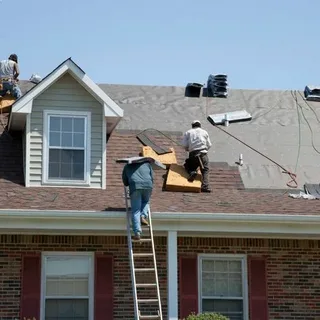
Removal of your existing roof marks the most dramatic phase of replacement. Crews systematically strip old shingles, underlayment, and flashing, working section by section to minimize your home’s exposure. The noise level during tear-off surprises many homeowners, with the scraping and tearing of old materials creating considerable racket. This phase typically progresses quickly, with experienced crews removing entire roofs in hours rather than days.
As old materials come off, inspectors examine roof decking for damage requiring repair or replacement. Water-damaged, rotted, or structurally compromised decking must be replaced to provide solid foundation for new roofing. Reliable residential roofing services in Leander, TX address these issues immediately, replacing damaged sections before proceeding with installation. While discovering additional work proves frustrating, addressing decking problems ensures your new roof performs as expected.
Debris removal happens continuously, with materials going directly into disposal containers rather than accumulating on your property. Magnetic sweeps of the ground capture nails and metal debris that could puncture tires or injure people and pets. Professional crews maintain clean, safe work sites throughout the project rather than leaving cleanup for the end.
Installation of New Roofing System
Installation begins with ice and water shield application in vulnerable areas, followed by synthetic underlayment across the entire deck. These protective layers create weathertight barriers that defend against wind-driven rain even if shingles somehow fail. Proper underlayment installation with appropriate overlap and fastening ensures effectiveness.
Drip edge installation along roof edges provides the finished look while directing water away from fascia and preventing wind-driven rain from working underneath roofing materials. This seemingly minor component plays an important role in long-term roof performance and should be installed according to manufacturer specifications and building codes.
Shingle installation proceeds from bottom to top in carefully aligned courses that create both weather protection and attractive appearance. Proper nailing patterns, correct exposure, and adequate sealing ensure shingles perform as designed. Ridge vents go in along roof peaks, providing crucial exhaust ventilation that works with soffit intake vents to maintain healthy attic environments. Flashing installation around chimneys, vents, skylights, and wall intersections requires skill and attention to detail, as these areas represent the most common leak sources when improperly executed.
Quality Control and Final Inspection
As installation nears completion, quality control measures verify workmanship meets standards. Supervisors examine shingle alignment, nailing patterns, flashing installation, and ventilation system functionality. They confirm all penetrations are properly sealed and all components are correctly installed. This internal inspection catches any issues before final customer walkthrough.
Final cleanup involves thorough ground inspection with magnetic tools capturing any remaining nails or metal debris. Crews remove all equipment, materials, and waste, leaving your property clean. The final walkthrough with homeowners allows inspection of completed work, explanation of new features, and answering any questions about maintenance or warranty coverage.
Premium residential roofing services in Leander, TX provide detailed warranty information covering both materials and workmanship. Understanding what’s covered, coverage duration, and any maintenance requirements that affect warranty validity helps you protect your investment long-term.
Post-Installation Care and Maintenance
Your new roof requires minimal but important maintenance to deliver maximum lifespan. Regular inspections after severe weather identify any damage requiring immediate attention. Keeping gutters clean prevents water backup that can work under shingles. Trimming overhanging branches eliminates abrasive contact and reduces debris accumulation.
Attic inspections verify ventilation system functionality and catch any signs of unexpected moisture intrusion. Addressing small issues promptly prevents them from developing into significant problems requiring extensive repairs. Most manufacturers require periodic inspections to maintain warranty coverage, making regular attention a practical necessity rather than optional maintenance.
Conclusion
Residential roofing replacement represents a substantial project requiring careful planning, quality materials, and expert installation. Understanding each phase from initial inspection through final cleanup helps you recognize professional workmanship and ensures your project proceeds smoothly. Texas weather demands roofing systems installed to exacting standards using materials engineered for harsh conditions. By partnering with experienced professionals who prioritize quality and customer communication, you ensure your roofing investment delivers reliable protection and attractive appearance for decades. The difference between adequate and exceptional results lies in attention to detail during every phase, from proper decking preparation through precise shingle installation and comprehensive quality control.
Frequently Asked Questions
How long does residential roofing replacement typically take for an average home in Leander?
Most residential roofing replacement projects in Leander complete within one to three days depending on home size, roof complexity, and weather conditions. Simple ranch homes with straightforward roof designs often finish in a single day, while larger two-story homes with multiple valleys, dormers, or steep pitches may require additional time. Professional residential roofing services in Leander, TX provide realistic timelines during planning phases, though weather can always introduce delays beyond anyone’s control.
What sets Busse Roofing apart when handling roofing replacement projects in Leander and surrounding areas?
Busse Roofing combines extensive local experience with commitment to quality workmanship that ensures lasting results. Their understanding of Central Texas weather challenges, familiarity with local building codes, and relationships with quality material suppliers enable them to deliver superior roofing systems. The company’s focus on clear communication keeps homeowners informed throughout projects, while their attention to detail during installation ensures roofs perform as expected for decades.
Should I stay home during the roofing replacement or can I maintain my normal schedule?
Most homeowners continue normal routines during roofing replacement, though the noise level makes working from home challenging. You don’t need to be present for the work itself, but being available for the initial meeting and final walkthrough proves valuable. If you have pets sensitive to noise or prone to escaping, making arrangements for their care during the noisiest phases creates less stressful experiences for them.
What happens if it rains during my roofing replacement project?
Trusted residential roofing services in Leander, TX monitor weather carefully and take precautions to protect your home if unexpected rain occurs. Tarps cover any exposed areas, and crews work strategically to minimize vulnerable sections at any given time. While rain delays progress, professional contractors prevent water intrusion even during active replacement projects. Significant weather events may require rescheduling rather than rushing work under poor conditions.
Does Busse Roofing serve areas beyond Leander for residential roofing projects?
Yes, while Busse Roofing maintains strong presence in Leander, they extend reliable residential roofing services throughout the surrounding Central Texas communities. Their expertise and quality standards remain consistent across their entire service area, benefiting homeowners regardless of specific location.
How do I know if my roof needs complete replacement versus repair?
Several factors determine whether repair suffices or replacement becomes necessary. Widespread shingle damage, curling across large areas, multiple leaks, or roofs approaching the end of expected lifespan typically justify replacement. Limited damage in small areas often responds well to repair. Premium residential roofing services in Leander, TX provide honest assessments of your specific situation, recommending the most cost-effective solution rather than automatically suggesting the most expensive option.
Most residential roofing replacement projects in Leander complete within one to three days depending on home size, roof complexity, and weather conditions. Simple ranch homes with straightforward roof designs often finish in a single day, while larger two-story homes with multiple valleys, dormers, or steep pitches may require additional time. Professional residential roofing services in Leander, TX provide realistic timelines during planning phases, though weather can always introduce delays beyond anyone’s control.
Busse Roofing combines extensive local experience with commitment to quality workmanship that ensures lasting results. Their understanding of Central Texas weather challenges, familiarity with local building codes, and relationships with quality material suppliers enable them to deliver superior roofing systems. The company’s focus on clear communication keeps homeowners informed throughout projects, while their attention to detail during installation ensures roofs perform as expected for decades.
Most homeowners continue normal routines during roofing replacement, though the noise level makes working from home challenging. You don’t need to be present for the work itself, but being available for the initial meeting and final walkthrough proves valuable. If you have pets sensitive to noise or prone to escaping, making arrangements for their care during the noisiest phases creates less stressful experiences for them.
Trusted residential roofing services in Leander, TX monitor weather carefully and take precautions to protect your home if unexpected rain occurs. Tarps cover any exposed areas, and crews work strategically to minimize vulnerable sections at any given time. While rain delays progress, professional contractors prevent water intrusion even during active replacement projects. Significant weather events may require rescheduling rather than rushing work under poor conditions.
Yes, while Busse Roofing maintains strong presence in Leander, they extend reliable residential roofing services throughout the surrounding Central Texas communities. Their expertise and quality standards remain consistent across their entire service area, benefiting homeowners regardless of specific location.
Several factors determine whether repair suffices or replacement becomes necessary. Widespread shingle damage, curling across large areas, multiple leaks, or roofs approaching the end of expected lifespan typically justify replacement. Limited damage in small areas often responds well to repair. Premium residential roofing services in Leander, TX provide honest assessments of your specific situation, recommending the most cost-effective solution rather than automatically suggesting the most expensive option.